Emergency calling, also known as E911 or Enhanced 911, is a critical service that allows individuals to quickly contact emergency services in case of an emergency.
If you are installing a new telephone system in the United States, it is imperative that you check to see that it satisfies the E911 (Enhanced 911) requirements that are in place. In the event of an emergency, this will ensure that individuals are able to get in touch with emergency services in a timely and accurate manner.
E911 service providers and users have faced new challenges as a result of the pandemic. Meeting E911 requirements even when an employee is working remotely is one of these challenges.
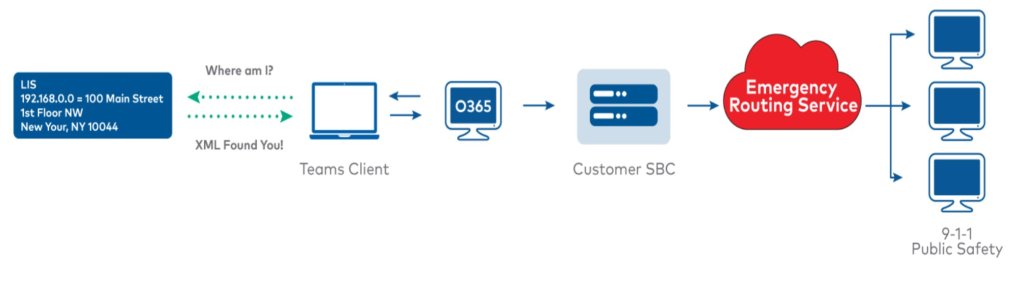
The emergency regulations that must be followed in the United States are listed below.
Kari’s Law
- Requires direct 911 dialing without a prefix or access code
- Notification requirement intended to facilitate building entry by first responders
Ray Baum’s Law
- Ensures that a “dispatchable location” is conveyed with 911 calls to
dispatch centers - “Dispatchable location” includes street address, floor number, room number, or other similar information
There are two regulations around emergency calling that took effect in the past few years. Kari’s Law took effect in February of 2020, and requires that anyone who dials 911 in a multi-line telephone system is able to connect without having to first dial a prefix or access code – for example, if usually in an organization, Users are required to press 9 before dialing external numbers, this requirement must be waived when dialing 911. It also requires that a notification be sent, meaning that the phone system must be configured to notify designated personnel, like a front desk or security kiosk, to ease building entry by first responders.
The second requirement, Ray Baum’s act, took effect January of 2022, and ensures that a “dispatchable location” is conveyed with 911 calls to dispatch centers from Phone system users on premises, non-fixed devices and off premises devices. A dispatchable location is a location that consists of location details, such as street address or floor number, as well as suite or apartment information, to easily locate the dialer.
To deploy a phone system that complies with E911 regulations in the United States, an Emergency Calling solution consists of three components:
- Callers Address and a Call back Phone number
- Routing to the closest Emergency Dispatcher service (PSAP)
- Ability to Conference in/inform the Security/Helpdesk staff onsite
Follow the next Module to know how Teams complies with E911 regulations.
 Talking to Myself
Leave a comment